Start with a package.
Bring a reference skid or equipment package, its component list, interface drawings and the requirements that vary by customer.
NORDFORM GROUP / OEM PRODUCT FAMILIES
A conveyor with a longer span. A skid with different connections. A module for a tighter site. Start with the product family your engineers adapt for every order.
Discuss your product family ↗THE WORKFLOW WE AIM TO BUILD WITH YOU
Change an input. Follow the dependencies. Review what changed. We start by mapping your established product rules and the decisions that still need your engineers, then scope a repeatable workflow for that family.
Explore the product ↗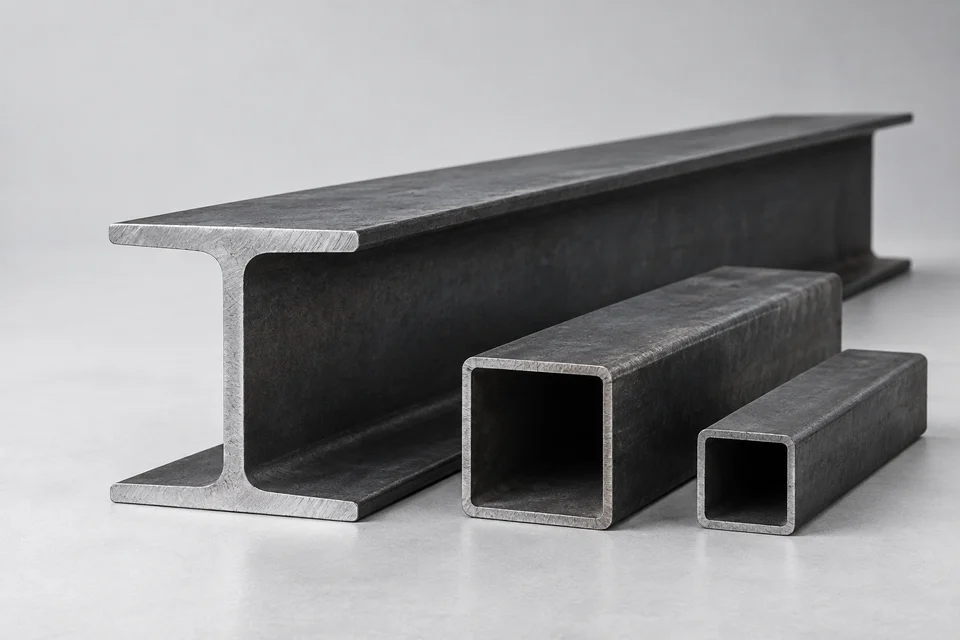
01 / MACHINERY OEMs
Your catalogue is repeatable. The customer’s dimensions, payload and mounting points are not. Each order sends a familiar conveyor, enclosure or machine frame back through engineering before sales can confirm the configuration.
02 / BUILDING SYSTEM MANUFACTURERS
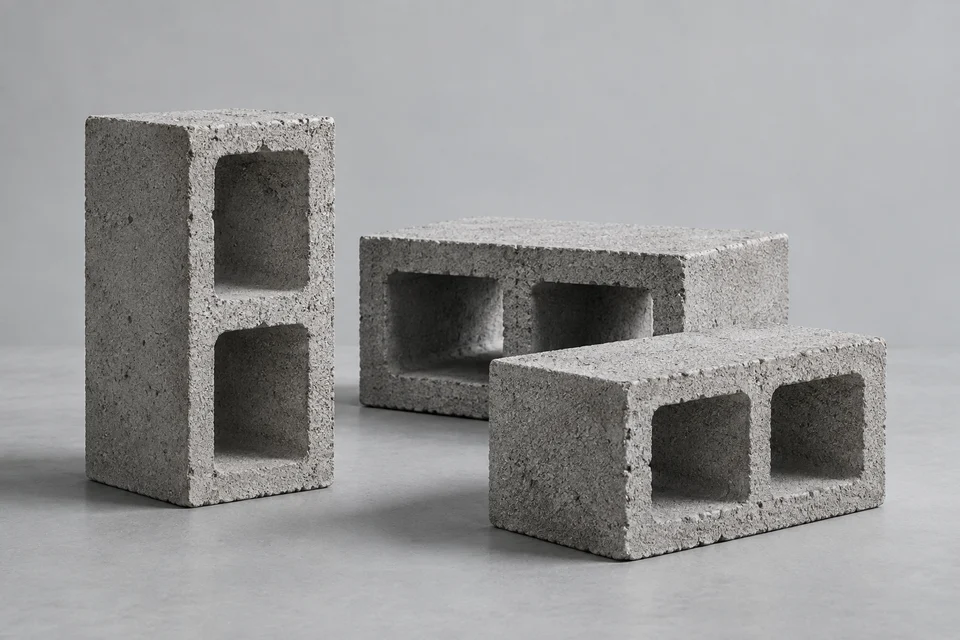
For manufacturers of halls, modular rooms and structural systems, a new site turns a standard product into another engineering job. Span, openings, equipment loads and service routes change together; the quotation waits for a configuration someone can stand behind.
03 / PROCESS & ENERGY OEMs
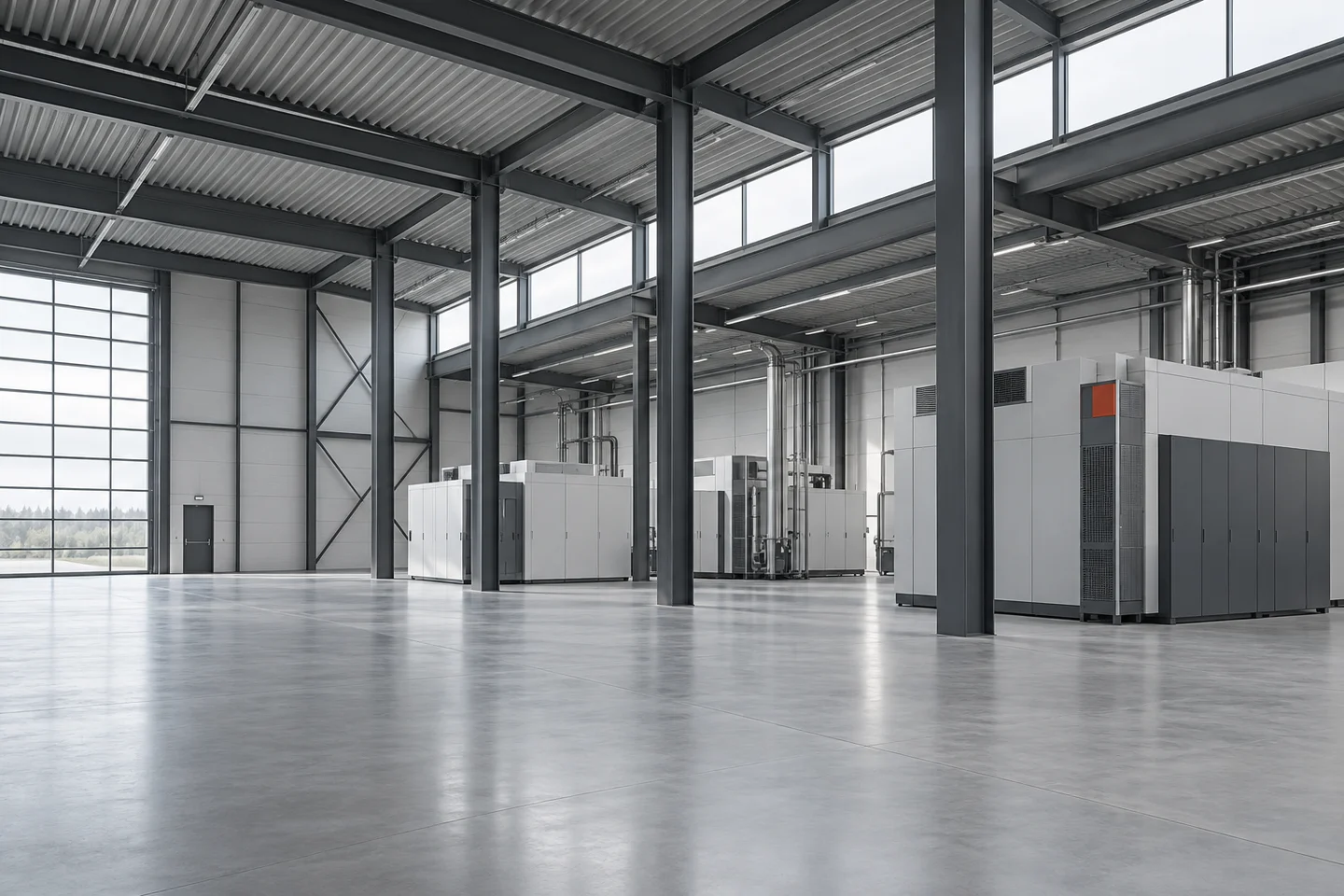
Pump skids, boiler auxiliaries and treatment packages repeat across projects. The bottleneck is adapting the package to the customer’s duty, footprint and tie-in points while keeping mechanical, piping and controls requirements aligned.
Bring a reference skid or equipment package, its component list, interface drawings and the requirements that vary by customer.
Scope how selected equipment, connection positions and maintenance clearances affect the arrangement, supports and documentation.
Measure layout revisions, interface queries and preparation time for a reviewed package. Agree process, pressure and controls review separately.
Complete plant design and specialist disciplines require a separately confirmed scope and team.
Discuss your equipment package ↗04 / MARINE & SPECIALIST ASSEMBLIES
For marine equipment suppliers, the product may be familiar while every vessel brings a different envelope, foundation and service connection. Arrangement changes can keep engineering busy long after the commercial specification is agreed.
A pilot starting point. Specialist responsibility and deliverables are agreed before work begins.
INDUSTRIES
Choose the product you supply and the change that repeatedly consumes engineering time. These are starting points for a scoped pilot, with deliverables agreed before work begins.
Cooling and power-module suppliers: a new rack layout or site footprint changes equipment arrangements, support frames and service access.
Switchgear and substation package suppliers: equipment choices and site clearances change enclosures, support structures and mounting interfaces.
Boiler and auxiliary-equipment makers: customer duty and connection locations change package layouts, access and supporting structures.
Skid and treatment-package makers: a different pump, vessel or tie-in location triggers layout, support and documentation revisions.
Mill-equipment suppliers: a repeat machine must fit an existing line, foundation and shutdown plan, with revised frames and access.
Material-processing equipment makers: throughput, wear requirements and site geometry change chutes, conveyors, supports and service access.
Conveyor and handling-system makers: a changed span, payload or transfer height sends a familiar assembly back through engineering.
A FOCUSED START
Codify the standard components, audit the designs you have, then build the next variant on them.
Explore Nordform ↗Suitability, specialist responsibility and deliverables are agreed before work starts.
Start with the designs you already have. The first deliverable is a library of the standard components, patterns and checks they share, accepted by your engineer. The second is an audit of those designs against the library and its context, with a recommended fix for each finding. After that, adapt an established design to a new project’s dimensions, interfaces and component requirements. A support frame, equipment skid or access platform could be a pilot candidate; suitability and specialist responsibility are agreed before work starts.
Bring reference examples you have permission to reuse, the constraints that must stay fixed and your existing CAD tools. Agree the required model, drawings, BOM, check results and change report, then validate the handoff with a named engineer. Measure preparation, design, checking and rework against your current process, and how long the work waits for design.
Codifying and auditing existing designs is scoped pilot work with a named engineer, supported by the Standards workspace in Nordform: it reads catalogues and IFC models, keeps an engineer-accepted library and audits a model against it. An engineer can add transcribed regulation rule sets to an audit; a rule is tested only where the model or the engineer states its facts, the rest are listed as not assessed, and no result is a compliance statement. Nordform includes a support-frame concept study: dimension locks, mounting-datum changes, revision comparison and a local review package, built on a synthetic reference. Member sizing, connection design and fabrication drawings come from your named engineer.
LET’S START WITH THE WORK
Bring one product family and two recent orders.
We’ll identify the repeated work, the changing inputs and the review your team needs.